Cool Summer Color Palette
Cool Summer, also called True Summer, is a cool, soft color season: coolness comes first and softness second. The Cool Summer color palette is cool and gently muted, with steel blue, cornflower, rose pink, raspberry, wisteria and soft teal as typical colors. Black, optic white and warm colors such as orange, mustard, camel and olive are harder to wear. In the 12-season system it is the coolest of the three summer seasons, next to Light Summer and Soft Summer, and its winter neighbor is True Winter, also called Cool Winter.
Ask an AI about Cool Summer
These open a chat with the question already typed, pointed at this page. It asks for a balanced answer, including where this guide may not fit you.



| Main quality | Coolness first, softness second |
|---|---|
| Chroma (saturation) | Soft: gently muted, but clearer than Soft Summer |
| Hue (temperature) | Cool: the coolest of the three summer seasons |
| Value (depth) | Medium; some guides say light to medium |
| Contrast | Usually medium between hair, skin and eyes; some guides say low to medium |
| Other name | True Summer: the same season in the 12-season system |
| Name in the Wearton app | True Summer |
| Easiest neutrals | Soft white, cool grey, blue grey, pewter, charcoal, soft navy |
| Easiest metals | Silver, white gold, platinum and pewter |
| Harder to wear | Black, optic white, orange, mustard, camel, olive and tomato red |
| Neighbor seasons | Soft Summer (more muted, a little warmer), Light Summer (lighter) and True Winter, also called Cool Winter (clearer, higher contrast) |
The Cool Summer color palette
The Cool Summer color palette on this page has 30 reference shades: the 8 colors of the palette that the selfie analysis in the Wearton phone app uses for this season, and 22 shades we chose as styling examples. Most are cool mid-tones; soft white and the soft pastels are the light accents, and charcoal and soft navy the darkest neutrals.
Seasonal color analysis describes colors by three qualities. Value is how light or dark a color is. Temperature is how warm or cool it is; many color analysis guides call this quality hue, although hue in color science means the color family, such as red or blue. Chroma is how saturated a color is. Cool Summer colors are clearly cool, gently muted and medium in value: cooler and a little clearer than Soft Summer colors, deeper than Light Summer colors and softer than winter colors.
Cool Summer and True Summer are two names for one season in the 12-season system. The Wearton app uses 12 seasons and shows this season as True Summer. Some 16-season systems use the name Cool Summer for a slightly deeper or brighter season between True Summer and Cool Winter; this page follows the 12-season system.
Seasonal color analysis usually recommends cool, softened shades for Cool Summer, and counts warm, very bright or very dark shades as harder to wear near the face. These are styling recommendations, not measured effects on your skin.
Below are 30 reference shades with names and hex codes. A hex code shows how a color looks on a screen. Fabric looks different in different light, so use the swatches as a guide when shopping, not as an exact match.
See the difference
Color analysts test colors with a plain fabric cape under the face, in the same light. Drag the handle to compare orange, which is harder to wear for many Cool Summers, with rose pink from the palette.
 Rose pink
 Orange
Cool Summer neutrals
Cool Summer neutrals are cool and soft: soft white instead of optic white, charcoal and soft navy instead of black, with cool grey, blue grey, pewter and rose brown in between. Coats, trousers, shoes and bags in these colors go with the rest of the palette.
Cool Summer greens
Greens lean blue: soft jade is the lightest, soft teal and ocean teal the middle ones, and spruce the deepest. Olive, chartreuse and bright emerald are warmer or clearer than the palette.
Cool Summer blues
Blues are a large part of the palette, from cornflower and periwinkle to steel blue and denim blue. Steel blue and denim blue work as everyday colors for jeans, shirts and knitwear. Electric blue and cobalt are brighter than the palette.
Cool Summer pinks and reds
Pinks and reds are blue-based: rose mauve is the softest, rose pink and watermelon the brightest, raspberry the richest and cool burgundy the deepest. Orange-reds such as tomato red and rust are warmer than the palette, and neon pink is brighter.
Cool Summer purples
Purples are cool and soft: wisteria is a light, cool lilac, orchid a pink purple, and soft plum and mulberry the deepest.
Cool Summer light colors
The light colors of Cool Summer are cool pastels: powder blue, lavender, powder pink, seafoam, pale lemon and silver grey. They work as shirts, blouses and summer dresses, and next to the mid-tones of the palette. Warm pastels such as peach and apricot are further from the palette.
Colors to avoid for Cool Summer
Pure black, optic white, orange, mustard, camel, rust, olive and tomato red are harder to wear for many Cool Summers, because they are very dark, very stark or warm. They are not forbidden. Each one has a cooler, softer swap in the palette. If you love one of them, wear it away from the face: trousers, shoes or a bag. A small amount also works, or a palette color between it and your face, such as a powder blue shirt.
- Pure black → Charcoal
#4A4E57 - Optic white → Soft white
#EEF0F2 - Orange → Watermelon
#D6647A - Mustard → Pale lemon
#EFECB6 - Camel → Rose brown
#8B6E70 - Rust → Cool burgundy
#7B3A55 - Olive → Soft jade
#6FA393 - Tomato red → Raspberry
#B0476D
Can Cool Summer wear black, white or navy?
Cool Summer can wear softened versions of black, white and navy: charcoal or soft navy near the face instead of pure black, and soft white instead of optic white. Navy is one of its main neutrals. Pure black is easier away from the face, in shoes or a bag.
Can Cool Summer wear black?
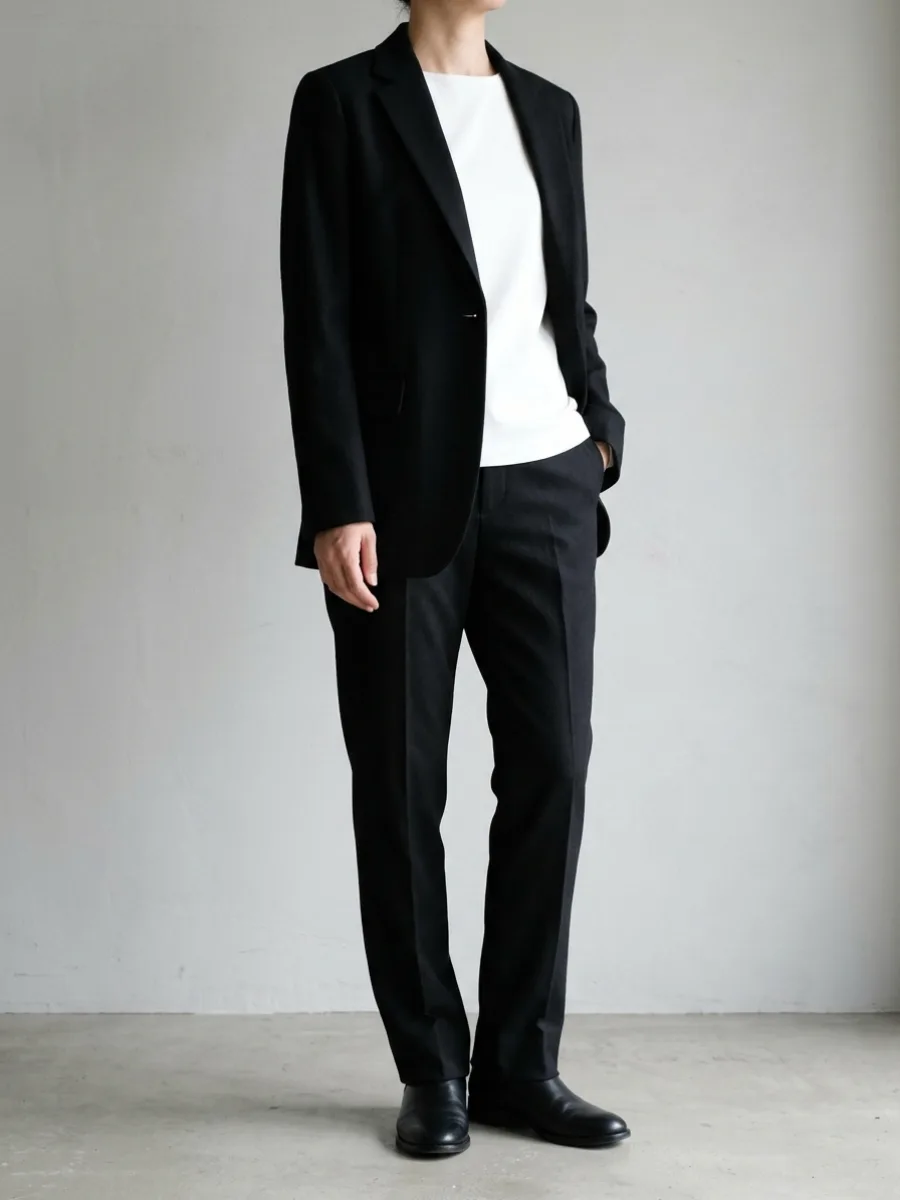
Pure black is harder to wear near the face for many Cool Summers, because it is much darker and starker than the palette. Guides suggest charcoal, soft navy or dark slate grey instead. Several guides we read say black can still work away from the face, in shoes, a bag or on the bottom half of an outfit, or as a small accent.
Can Cool Summer wear white?
Optic white is harder for many Cool Summers, because it is starker than the palette. Guides suggest soft white, cool white or pearl instead. Several guides also call cream and ivory harder, because they lean warm.
Can Cool Summer wear navy?
Yes, navy is one of the easiest colors for Cool Summer. Soft navy is in the palette, and one guide calls navy the season's anchor. A soft or slate navy is easier near the face than an inky, almost black navy.
Can Cool Summer wear brown?
Cool, rosy browns such as rose brown and cocoa are the easiest. Guides call warm browns, chocolate brown and camel harder, because they lean warm. One guide goes further and says brown does not suit Cool Summer at all, and suggests slate grey instead.
Can Cool Summer wear grey?
Yes, grey is one of the easiest colors for Cool Summer, and one guide calls it the most important neutral of the season. Blue grey is one of the app's key colors, and cool grey, pewter, silver grey and charcoal are in the palette. Greys with a warm, yellow cast are further from the palette.
Can Cool Summer wear olive or mustard?
Olive and mustard are harder to wear for many Cool Summers, because they are warm and earthy: of the 12 guides we read in full on November 19, 2026, six name olive and six name mustard as colors to avoid. Soft jade, soft teal and seafoam are the palette's greens, and pale lemon its soft yellow.
Can Cool Summer wear bright colors?
Very bright colors, like neon, hot pink, electric blue and tomato red, are harder to wear for many Cool Summers, because they are much clearer than the palette. Rose pink, watermelon and raspberry are the brightest colors of the palette. Guides differ on fuchsia: several put a soft fuchsia in the Cool Summer palette, and others call fuchsia a winter color.
Can Cool Summer wear gold?
Silver is the easier choice for most Cool Summers: most guides we read recommend silver, white gold and platinum, and call yellow gold harder. Guides differ on rose gold: one says to keep it minimal, another to avoid warm rose gold.
Cool Summer clothing and outfits
Color combinations
Seasonal color guides usually describe Cool Summer coloring as medium in contrast, and suggest tonal combinations of colors close in value instead of stark contrast. A simple formula: one cool neutral, one mid-tone color and one light color. Outfits that pair black with optic white are further from the palette.
- Soft navy + Rose pink + Soft white
- Charcoal + Wisteria + Silver grey
- Denim blue + Powder pink + Cool grey
- Blue grey + Raspberry + Soft white
- Pewter + Soft teal + Powder blue
- Soft plum + Lavender + Cool grey
Outfit ideas
Four outfits built only from the palette. Under each one are the colors it uses, so you can rebuild it from your own clothes.
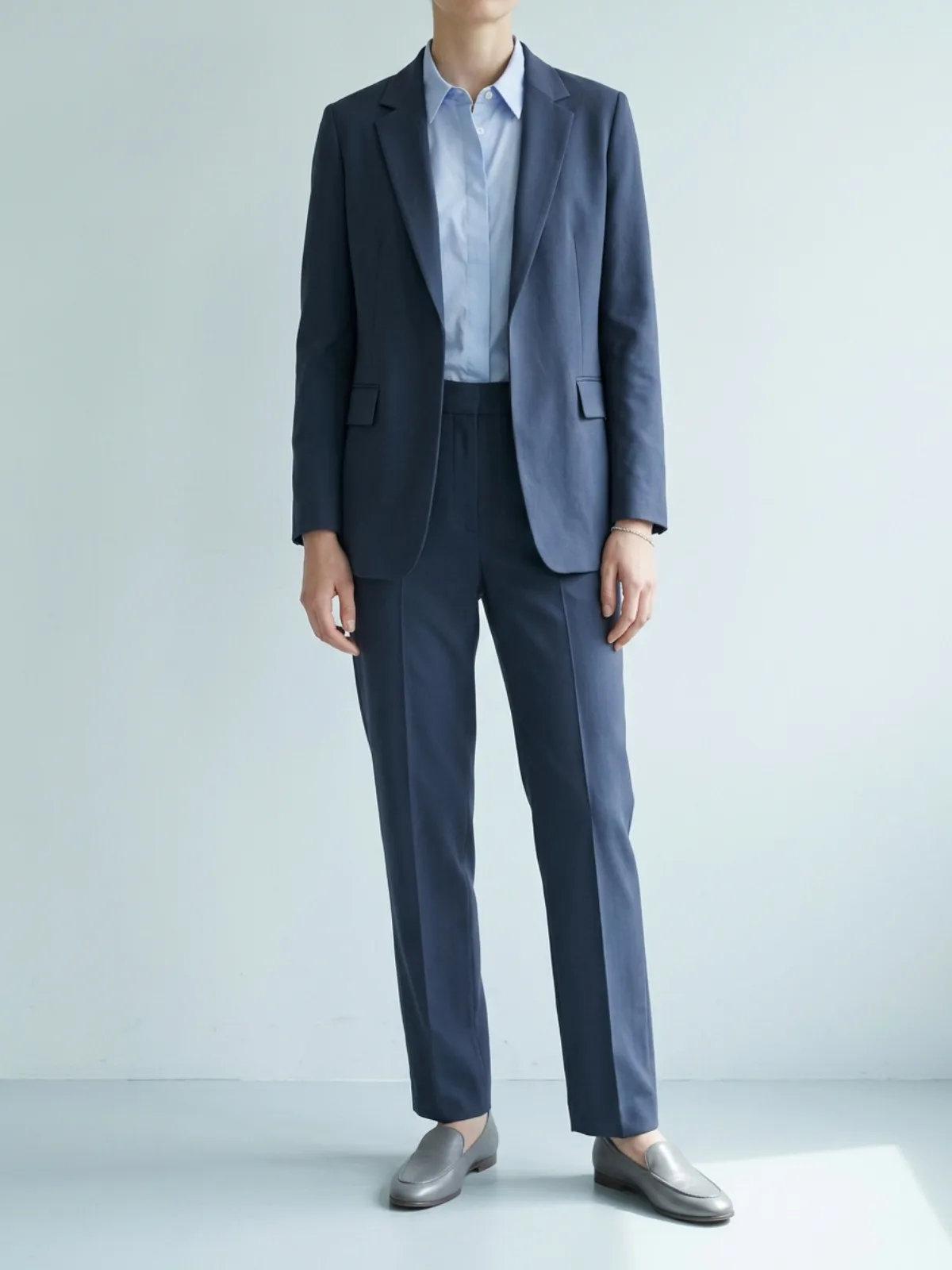
Work
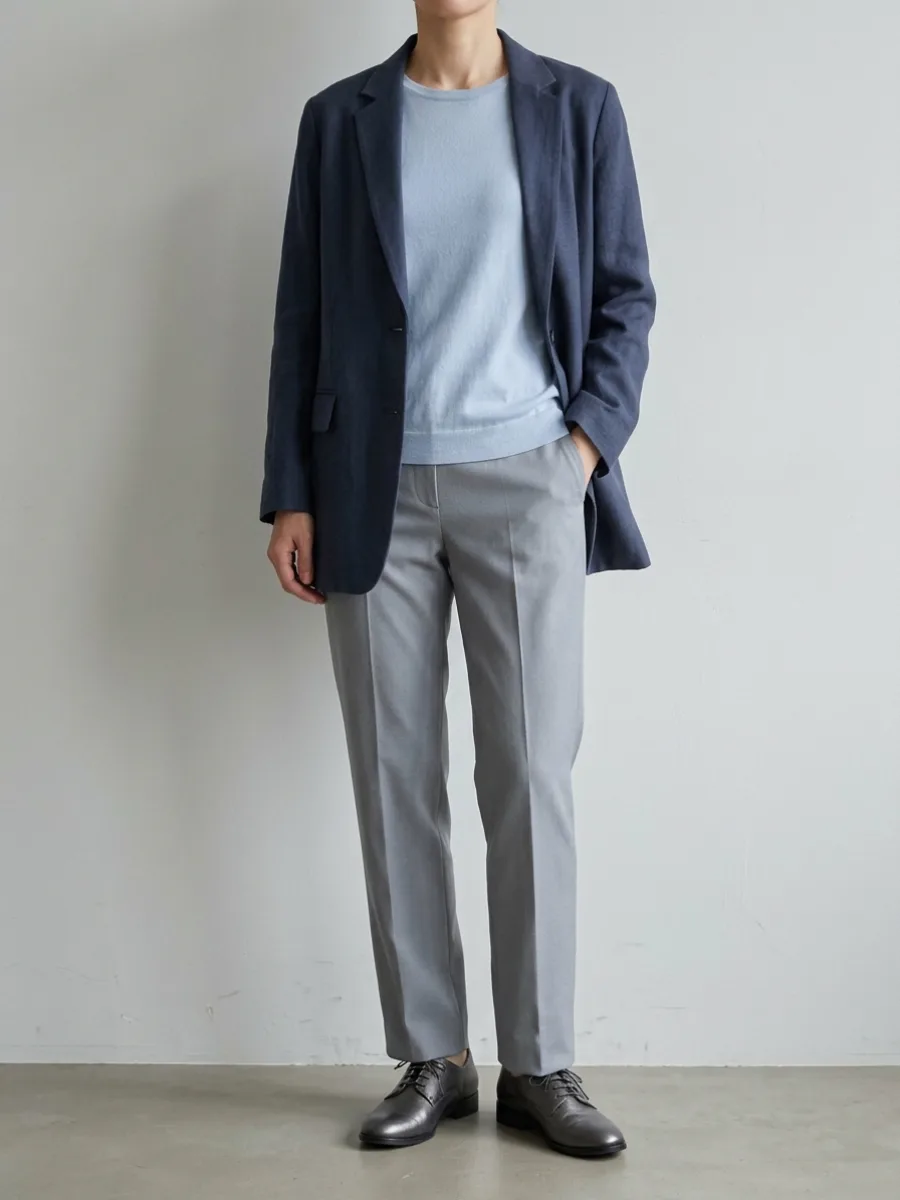
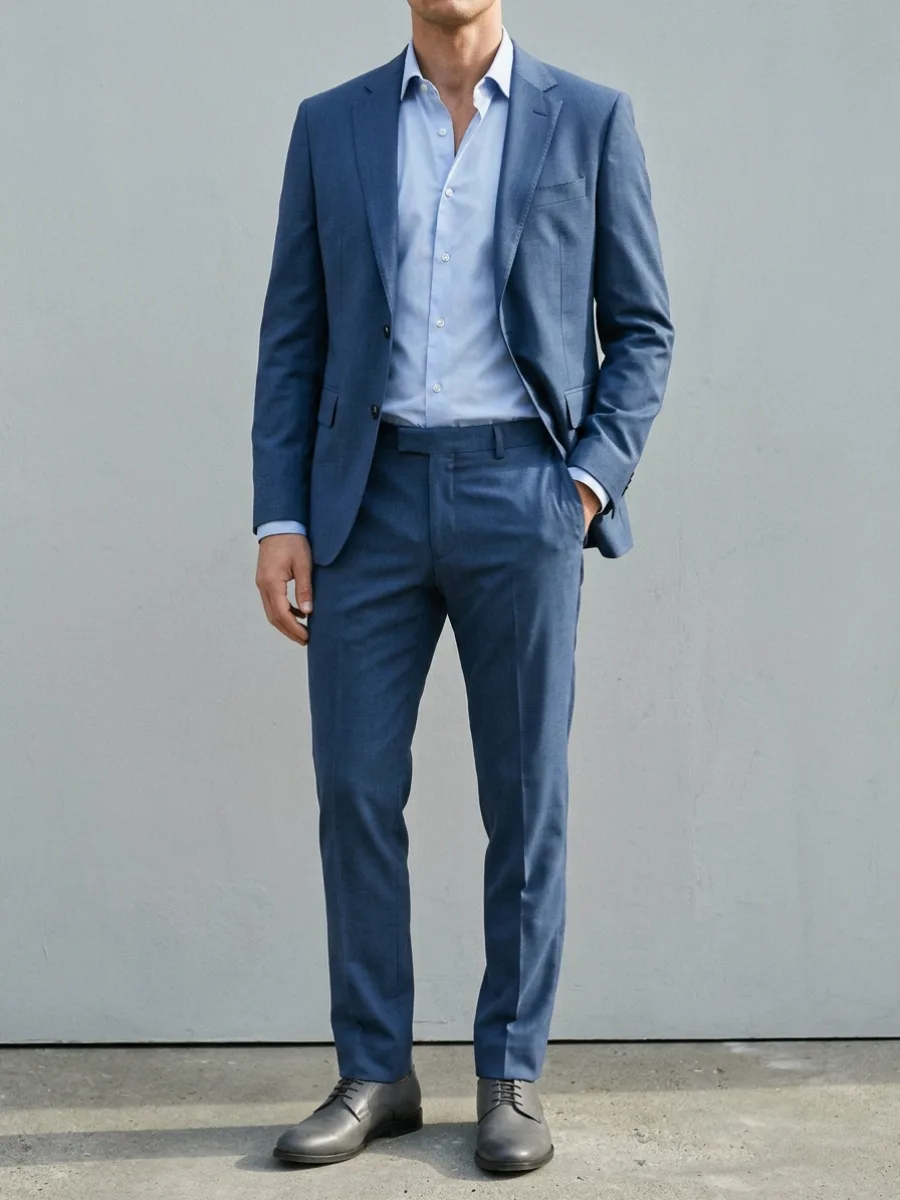
A soft navy blazer and trousers over a powder blue shirt, pewter leather loafers and silver jewelry.
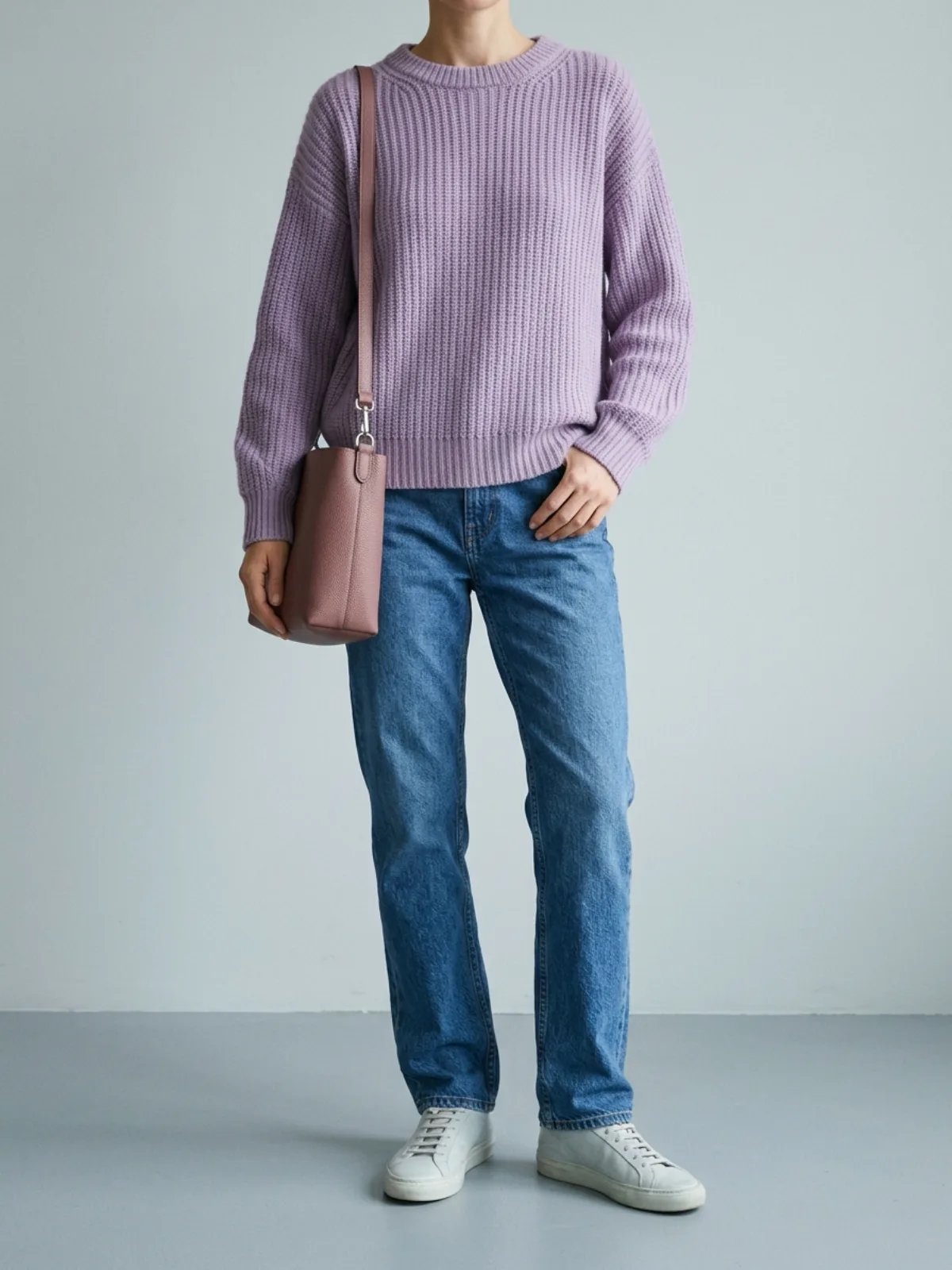
Weekend
A wisteria knit sweater, denim blue jeans, soft white sneakers and a rose brown bag.
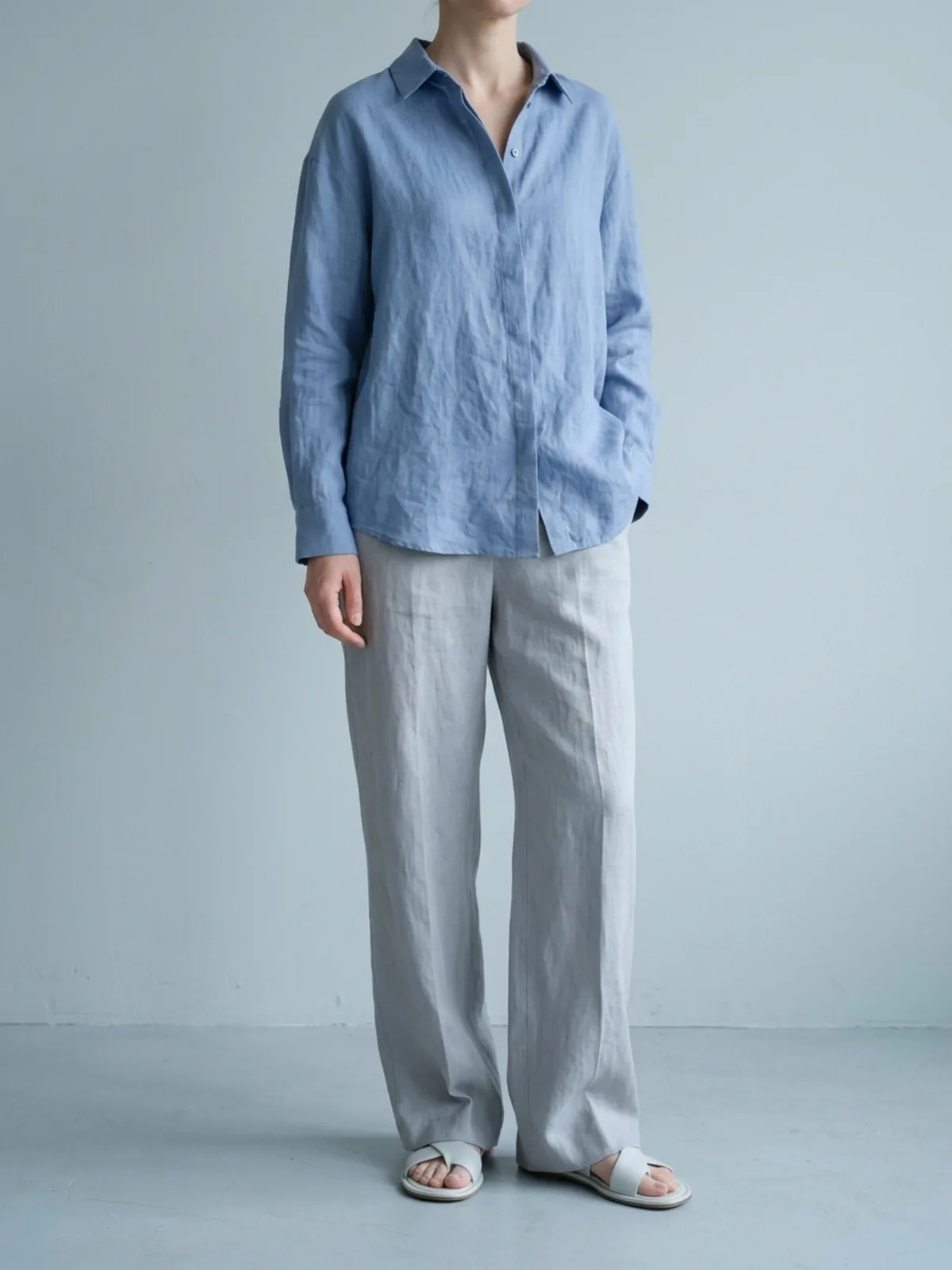
Warm weather
A cornflower linen shirt, cool grey linen trousers and soft white leather sandals.
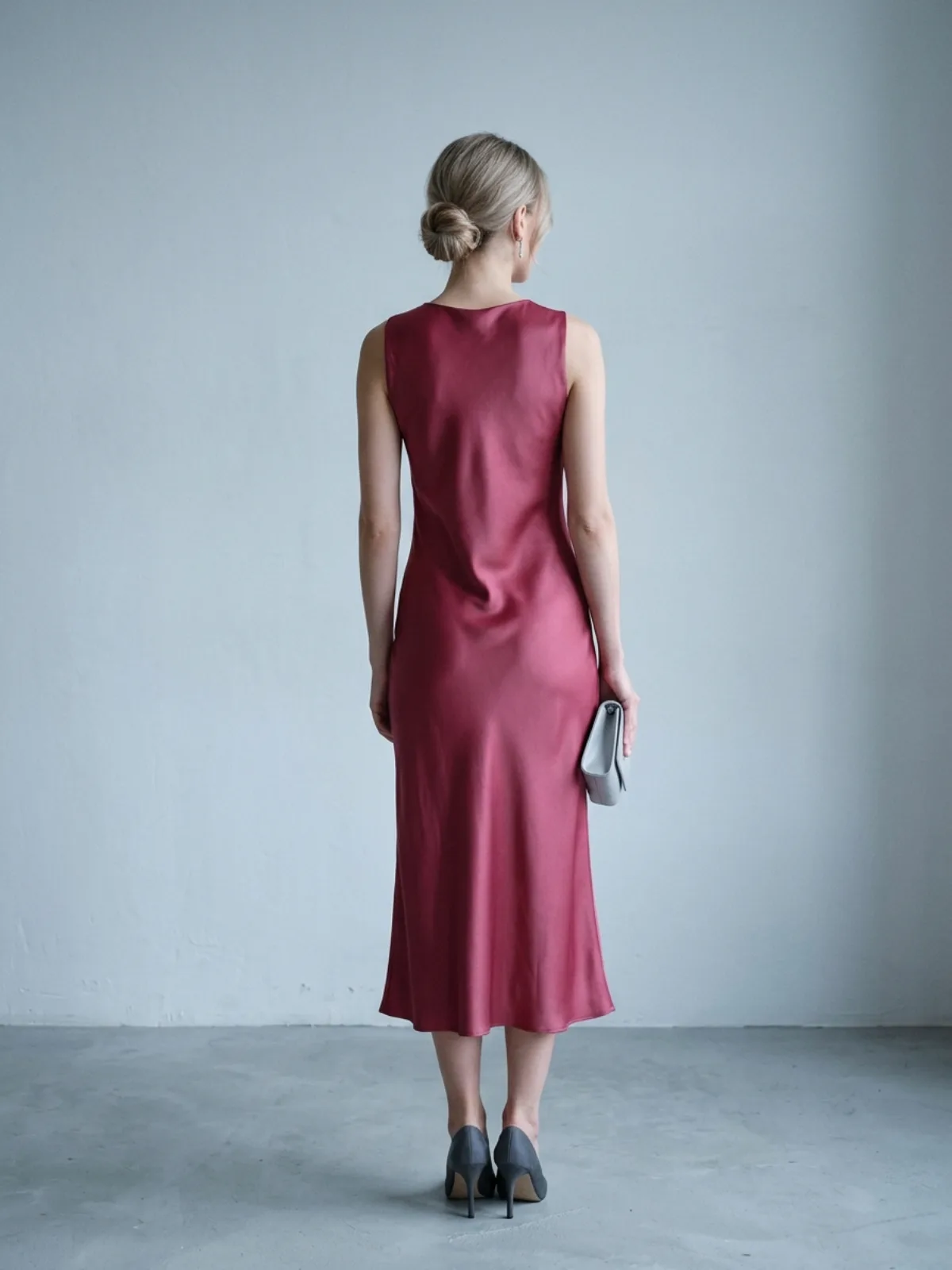
Evening
A raspberry satin midi dress with charcoal heels, a silver grey clutch and silver earrings.
A Cool Summer capsule wardrobe
Twelve pieces in palette colors. The five tops and four bottoms make 20 top-and-bottom combinations, each worn with the loafers; the coat and the bag go with all of them.

- Trench coat, blue grey
- Silk blouse, soft white
- Knit sweater, rose mauve
- Fine-knit sweater, soft teal
- T-shirt, cool grey
- Shirt, powder blue
- Tailored trousers, soft navy
- Jeans, denim blue
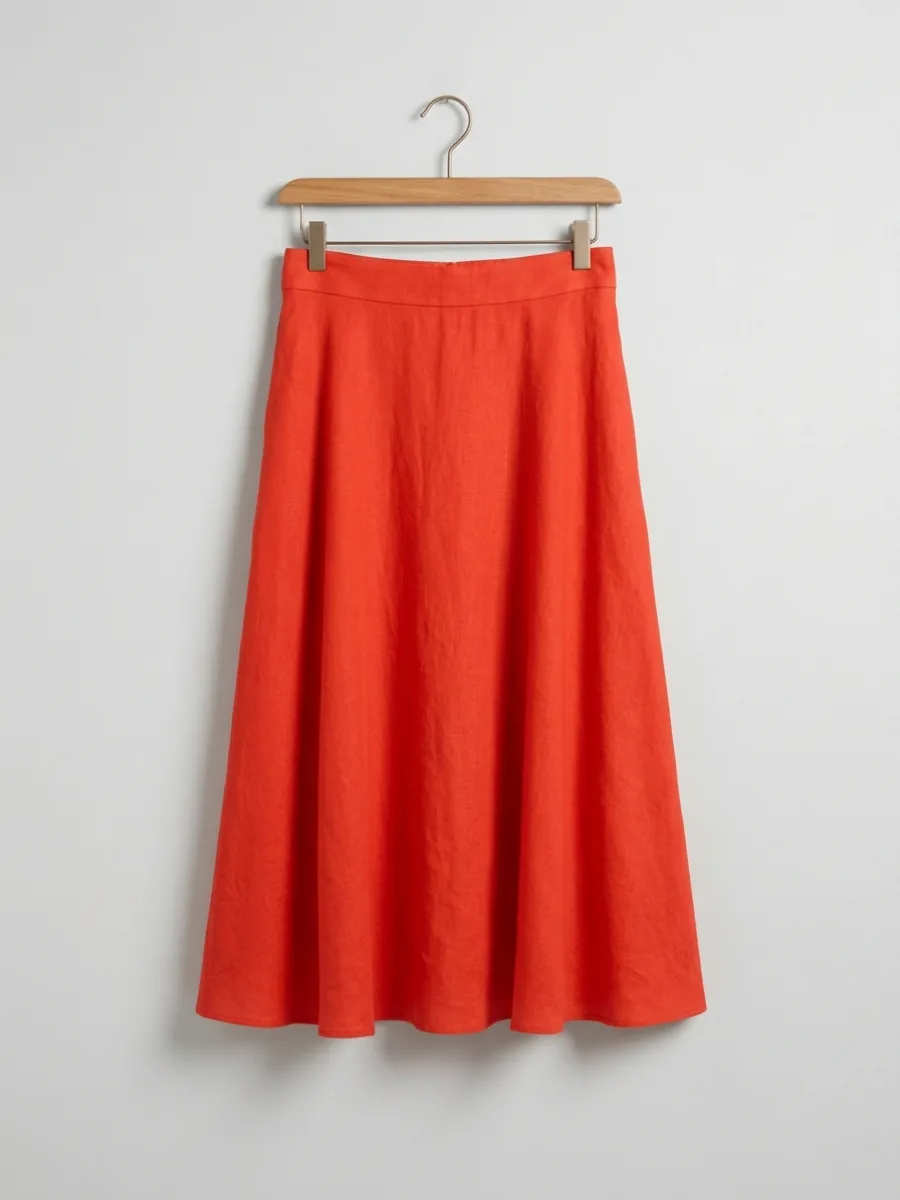
- Midi skirt, wisteria
- Straight trousers, charcoal
- Leather loafers, rose brown
- Leather bag, cool burgundy
Prints
Prints with low to medium contrast in palette colors sit closest to it, such as soft florals or a stripe in soft navy and powder blue. Guides differ on the scale: one recommends small, delicate florals, another says tiny prints can get lost. Stark black-and-white prints are further from the palette.
Am I a Cool Summer? How to tell
Cool Summer is a reasonable starting point if cool, softened, medium-depth colors look better on you in daylight than warm, very bright or very dark ones. A season describes how your overall coloring works with color: its depth, how warm or cool it leans, and how soft or clear it looks. It is not tied to one skin depth, ethnicity, eye color or hair color. Several guides we read say deeper skin tones can be Cool Summer too, and one names Asian and Black complexions.
Skin depth and undertone are different things. Depth is how light or dark the skin is. Undertone is the warm, cool or neutral lean of the skin. Cool Summer is about how cool and soft your overall coloring looks, hair and eyes included, so it can occur at different skin depths.
Skin
Fair to deep; guides describe cool pink, rosy, cool beige, neutral-cool or olive-cool undertones.
Eyes
Often blue, grey, grey-blue, cool green or cool hazel, with a soft look; guides say muted or greyish brown eyes are common on deeper complexions.
Hair
Often dark ash blonde to ash brown, without golden or red tones in daylight; one guide says hair on darker skin can be medium brown, dark brown or black. Dyed or grey hair changes the picture, so look at roots, brows and older photos too.
Contrast
Usually medium: hair, skin and eyes are not stark against one another, but less blended than on Soft Summer.
A side-by-side comparison
Use clothes or fabrics you already own. Sit by a window in daylight, with no makeup or a light base and your hair pulled back. Compare one pair at a time, and change nothing else between them.
- Temperature: a cool and a warm color of similar softness, such as steel blue against camel.
- Chroma: a softened and a very bright version of a similar color, such as steel blue against electric blue.
- Value: a medium and a very dark version of a similar color, such as soft navy against black.
For each pair, note which one makes your skin look more even and your features more balanced. Taking photos in the same light, or asking a friend, helps. Clothes at home rarely differ in only one quality, so treat the results as a rough guide, not a diagnosis.
If cool, softened and medium win most of the time, Cool Summer is a reasonable starting point. If cool wins but greyer, dustier colors look better than clearer ones, look at Soft Summer. If the lightest pastels look best, look at Light Summer. If black and optic white together look striking and natural on you, look at True Winter. Mixed results are common: many people sit near a border between seasons.
Jewelry comparisons, vein checks and selfies all have limits. Jewelry: guides recommend silver for all three summer seasons, so a silver-or-gold test can point to a summer but cannot tell Cool Summer from Soft or Light Summer. Veins: two guides say the vein test is not reliable, especially on deeper skin. Selfies: light and camera settings change how a photo shows color. Wearton's selfie analysis is a starting point too; check it against real clothes in daylight.
Cool Summer vs similar seasons
Cool Summer sits at the center of the summer seasons in the 12-season system, so it shares a border with Soft Summer and Light Summer, and with True Winter on the winter side.
| Quality | Cool Summer | Soft Summer | Light Summer | True Winter |
|---|---|---|---|---|
| Hue | Cool | Cool-neutral | Cool | Cool |
| Chroma | Muted, soft | Most muted | Soft, powdery | Clear |
| Value | Medium | Medium | Very light | Deep |
| Contrast | Low to medium | Low | Low | High |
| Sample colors |
The sample colors of each season are the first three colors of the palette the Wearton app uses for it. The qualities follow the app's season descriptions where they give one, and the guides we read where they do not. The table follows the 12-season system. Names differ between systems: Cool Summer is also called True Summer, Soft Summer is also called Muted Summer, True Winter is also called Cool Winter, and 16-season systems split the seasons further.
Cool Summer vs Soft Summer
Cool Summer and Soft Summer are both summer seasons of medium depth; the difference is chroma and how cool they are. Cool Summer is cooler and a little clearer: steel blue, raspberry, rose pink. Soft Summer is greyer, more muted and a little warmer: dusty blue, mauve, cool taupe.
One guide suggests comparing a blue grey with a clearer slate blue, and a mauve with a raspberry. If the clearer cool colors look better and the dustier ones look flat, Cool Summer is more likely; if the clearer ones feel like too much, Soft Summer is more likely.
Cool Summer vs Light Summer
Cool Summer and Light Summer are both cool summer seasons; the difference is value. Light Summer is the lightest summer, with airy pastels. Cool Summer is deeper and a little more saturated, with medium tones like soft navy, soft plum and denim blue. If powder pink and other pale pastels look washed out on you and rose mauve looks better, Cool Summer is more likely.
Cool Summer vs Cool Winter (True Winter)
Cool Summer and Cool Winter are both cool seasons; the difference is softness against clarity and contrast. True Winter, also called Cool Winter, wears clear, deep colors such as cobalt, fuchsia, black and optic white. Cool Summer colors are softer and lighter. Guides differ on whether True Winter is cooler than Cool Summer or equally cool.
Compare slate blue with cobalt, and a black-and-white outfit with soft navy and soft white. If the clear, high-contrast versions look striking and natural on you, True Winter is more likely; if they look stronger than your face, Cool Summer is more likely.
Best hair colors for Cool Summer
Hair color does not decide your season, and you can wear any hair color you like. If you want a color that works with the Cool Summer palette, cool or ashy shades close to your natural depth are the easiest. Guides call brassy golden highlights, caramel, copper and auburn harder, because they are warm. The shades and hex codes below are our examples, not dye formulas or colors from the selfie analysis; a dye result depends on your starting color and the product.
Does ash hair mean Cool Summer? Not on its own. Guides call ash blonde to ash brown hair typical for Cool Summer, but hair color alone does not decide a season. Guides differ on very dark hair: one says a cool near-black works better than a warm black, another calls jet black harder. For greying hair, one guide suggests a soft silver, and another says the season does not change with grey hair.
Cool Summer makeup
Cool Summer makeup follows the same idea as the clothes: cool and softened. The shades below are our suggestions to try, not rules, and not one shade for everyone. Choose the depth that matches your skin: a shade that looks soft on fair skin can disappear on deeper skin, and a deep shade can look heavy on fair skin.
Lipstick
Our suggestions for fair to light skin: rose pink, rose mauve. Medium skin: raspberry, cool berry. Deeper skin: cool berry, raspberry and soft plum. Guides suggest blue-based rose, berry and raspberry lips, and advise against warm corals, peach nudes and brick reds.
Blush
Our suggestions for fair to light skin: powder pink, cool rose. Medium skin: cool rose, raspberry. Deeper skin: raspberry and plum rose. Guides suggest cool pink, rose or soft plum blush, and skipping peach and orange coral.
Eyeshadow and eyeliner
Our suggested eyeshadow colors are cool taupe, slate, lavender grey, soft plum and soft navy; on deeper skin, try the deeper ones first. Test the depth and opacity of a product on your own skin. Guides suggest charcoal, soft navy or grey eyeliner instead of black, and charcoal grey, brown-black or soft dark blue mascara.
Nails
One guide suggests subtle pinks, muted purples, silver or grey. We suggest rose pink, wisteria, raspberry or silver grey, matched to your skin depth. A soft, cool pink is gentler than a neon or a warm coral.
Jewelry and metals for Cool Summer
Seasonal color guides usually recommend silver, white gold and platinum for Cool Summer, and several add pewter and brushed silver. Most guides we read call yellow gold harder, and one says it reads brassy on a summer's skin. Guides differ on rose gold: one says to keep it minimal and pair it with cool stones, another says to avoid warm rose gold. One guide suggests cool stones such as amethyst, aquamarine and rose quartz for summer seasons.
Cool Summer celebrities
Celebrity seasons are opinions from photos, not facts: lighting, makeup, hair dye and editing change how someone looks, and analysts often disagree. The people below are often typed as Cool Summer: each name appears on at least two of the five published lists with names that we read.
- Kate Middleton
- Emily Blunt
- Allison Williams
- Barbara Palvin
- Caitriona Balfe
- Emily Deschanel
- Emily DiDonato
Other lists name more people, each on one list only. We leave them out, because analysts often type the same person differently.
Cool Summer for men
The same palette works for men. Suits and trousers in soft navy, charcoal, blue grey and denim blue give a cool base. For shirts: soft white, powder blue, cool grey and powder pink. Grey or rose brown leather shoes and belts, a silver or steel watch, and knitwear in steel blue, soft teal or cool burgundy complete the palette.
When does summer start and end?
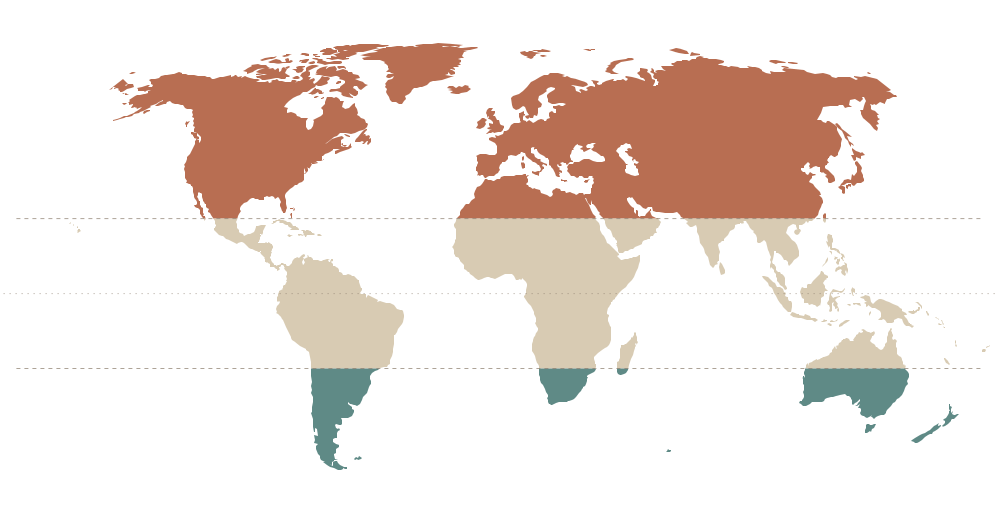
Weather services in the United States, the United Kingdom, Ireland, Germany, Japan and South Korea count summer from June 1 to August 31; calendars use the June solstice to the September equinox. In the Southern Hemisphere, summer starts in December. Some countries use temperature or their own calendars instead (table below). Cool Summer itself is a color season, not a time of year: you can wear the palette in any month.
The answer depends on the hemisphere, and on which of two definitions your country uses.
Meteorological summer
Three whole calendar months, used for weather records: June 1 to August 31 in the Northern Hemisphere, December 1 to the end of February in the Southern Hemisphere.
Astronomical summer
From the solstice to the equinox. The dates move by a day from year to year, and the day can differ by time zone.
| Astronomical summer | Starts (solstice) | Ends (equinox) |
|---|---|---|
| Southern Hemisphere, 2026 to 2027 | December 21 or 22, 2026 | March 20 or 21, 2027 |
| Northern Hemisphere, 2027 | June 21 or 22, 2027 | September 22 or 23, 2027 |
| Southern Hemisphere, 2027 to 2028 | December 21 or 22, 2027 | March 19 or 20, 2028 |
The times come from the US Naval Observatory's seasons data. Where two days are given, the day depends on your time zone. The Americas can be one day earlier than East Asia and Oceania. The map below shows where summer usually starts in June, where it starts in December, and the tropics, where many places have no summer in this sense.
| Country or region | Summer starts | Summer ends |
|---|---|---|
| United States | At the June solstice on most calendars; weather services count from June 1 | At the September equinox, or at the end of August |
| United Kingdom | June 1 for the Met Office; astronomical summer starts around June 21, the solstice | August 31, or at the September equinox (September 23 in 2027) |
| Ireland | June 1 for Met Éireann; May 1 (Bealtaine) in the traditional Irish calendar | August 31; the traditional calendar starts autumn on August 1 (Lughnasa) |
| Germany | Two dates are in use: June 1 (the weather service, DWD) and June 21 (astronomical summer) | August 31, or at the September equinox (September 23 in 2027) |
| Sweden | The first of five days in a row with a daily mean temperature of 50 °F (10.0 °C) or higher (SMHI). At Munka-Ljungby, in the south, summer arrives on May 3 on average (1991-2020); in the mountains of Norrland it can come at the June solstice or later | When autumn starts |
| Japan, South Korea | June 1 for weather services. Japan's traditional calendar starts summer at Rikka, May 6 in 2027 | At the end of August for weather services |
| India | The India Meteorological Department calls March to May the hot weather season | At the end of May; the southwest monsoon season follows, June to September |
| Australia, New Zealand | December 1 | At the end of February |
| Singapore, Thailand | No summer in Singapore: two monsoon seasons with inter-monsoon periods between them. Thailand's hot season starts about mid-February | No summer in Singapore; Thailand's hot season ends about mid-May |
Cool Summer colors work in every season. In a cold place or a cold month, wear the same colors in wool, cashmere and heavier knits.
Common Cool Summer mistakes
Typical choices that move away from the Cool Summer palette are black and optic white basics, warm earth tones near the face, and very bright or orange-based colors. They are styling suggestions, not rules.
- 1
Choosing black basics
Black coats and black trousers are much darker and starker than the palette. Charcoal and soft navy are its everyday dark neutrals.
Instead: Charcoal, Soft navy
- 2
Choosing optic white or cream
Bright white is starker than the palette, and cream and ivory lean warm. Soft white and silver grey are its light neutrals.
Instead: Soft white, Silver grey
- 3
Picking warm earth tones
Camel, rust and mustard lean warm. Cool Summer's browns are rosy, and its greys are cool.
Instead: Rose brown, Pewter
- 4
Warm greens
Olive and khaki lean warm and earthy. The palette's greens lean blue.
Instead: Soft jade, Soft teal
- 5
Orange-based reds and coral
Tomato red, orange-red and warm coral lean warm. Cool Summer reds and pinks are blue-based.
Instead: Raspberry, Watermelon
- 6
Choosing neon and electric colors
Neon pink, electric blue and other very bright colors are much clearer than the palette. The palette has softer versions of the same hues.
Instead: Rose pink, Steel blue
- 7
High-contrast outfits
Guides describe Cool Summer coloring as medium in contrast, so a black-and-white outfit can look stark. Colors close in value fit the palette.
Instead: Soft navy, Powder blue
- 8
Shiny yellow gold everywhere
Most guides suggest silver, white gold and platinum for Cool Summer, and call yellow gold harder. Silver grey is the palette color closest to silver.
Instead: Silver grey
Quiz: is it Cool Summer?
Fourteen AI-generated pictures to practice spotting the colors of this palette; the quiz does not tell your season. Tap Yes if the color belongs to the Cool Summer palette, No if it does not. Wardy reacts to each answer.
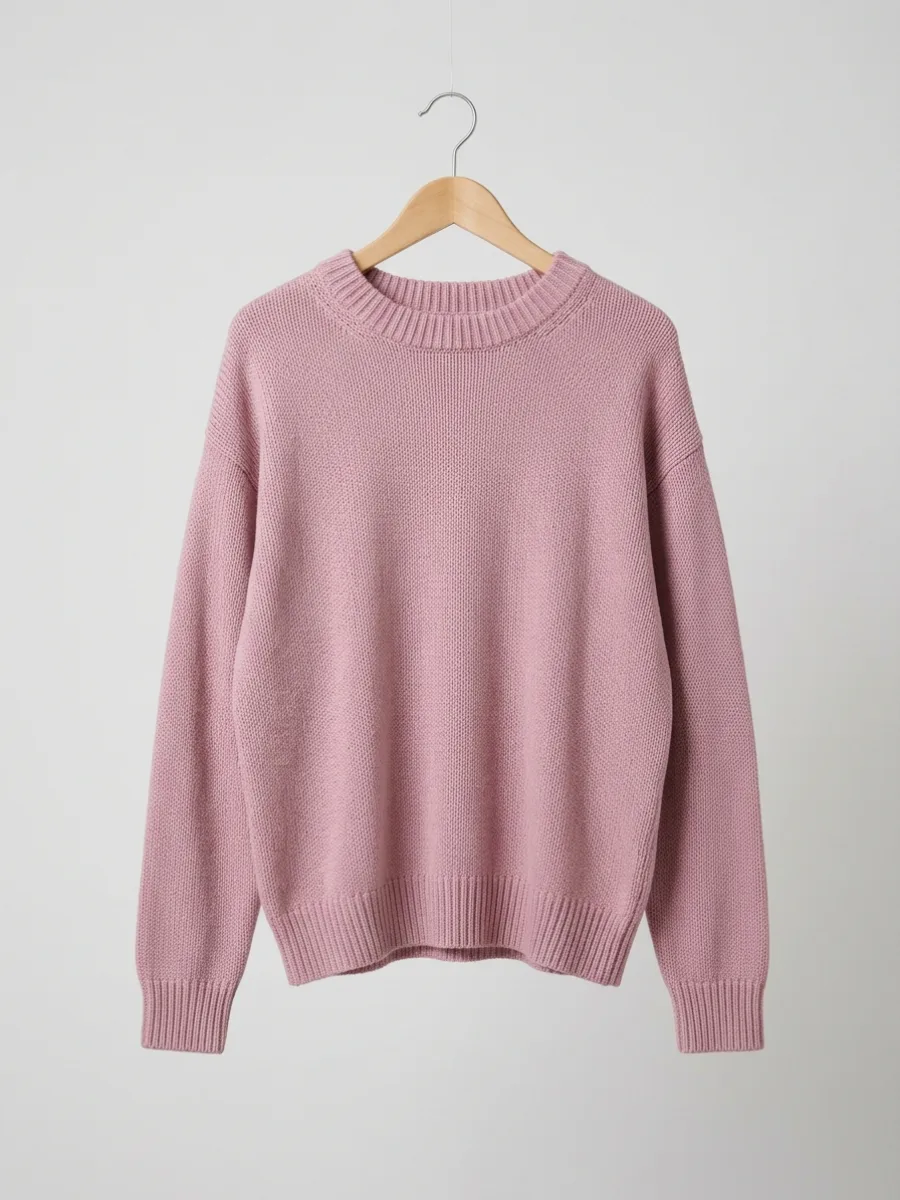
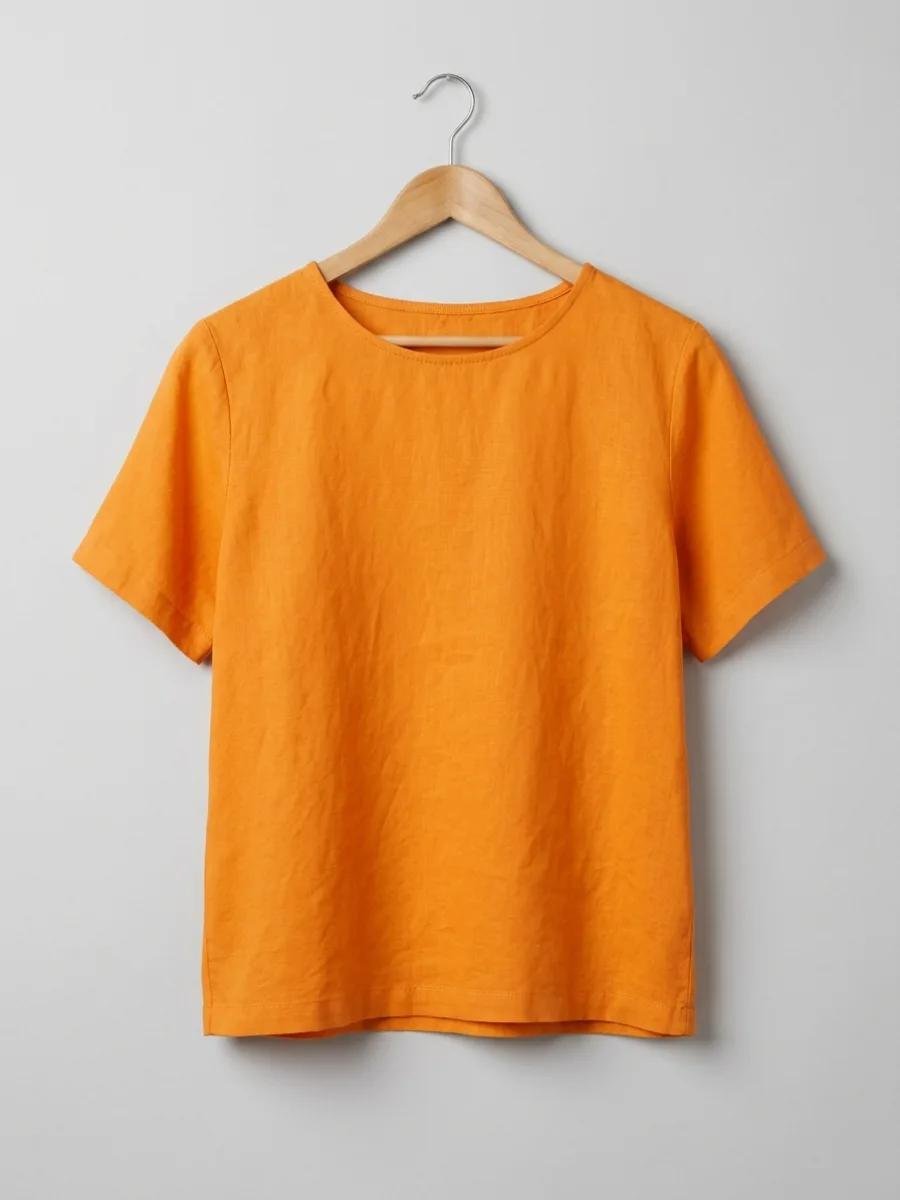
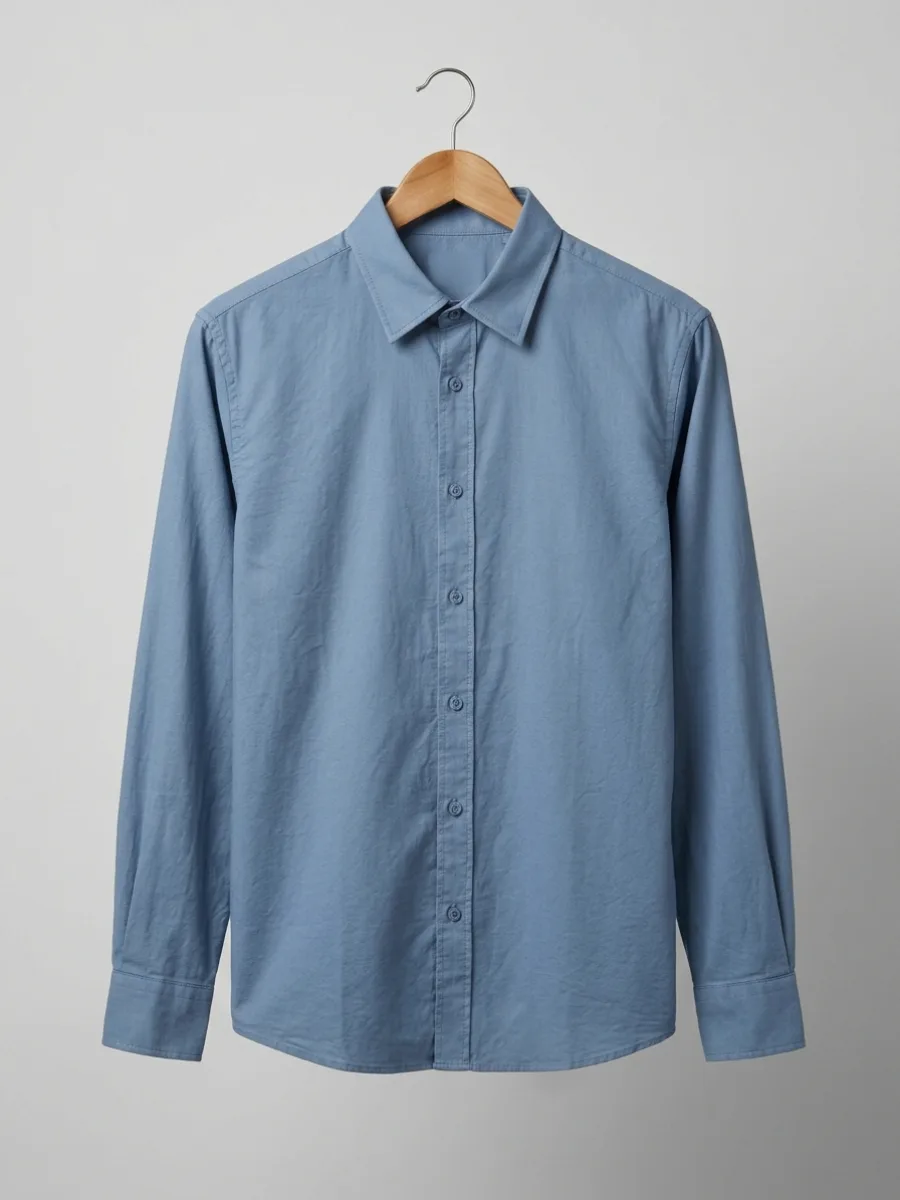
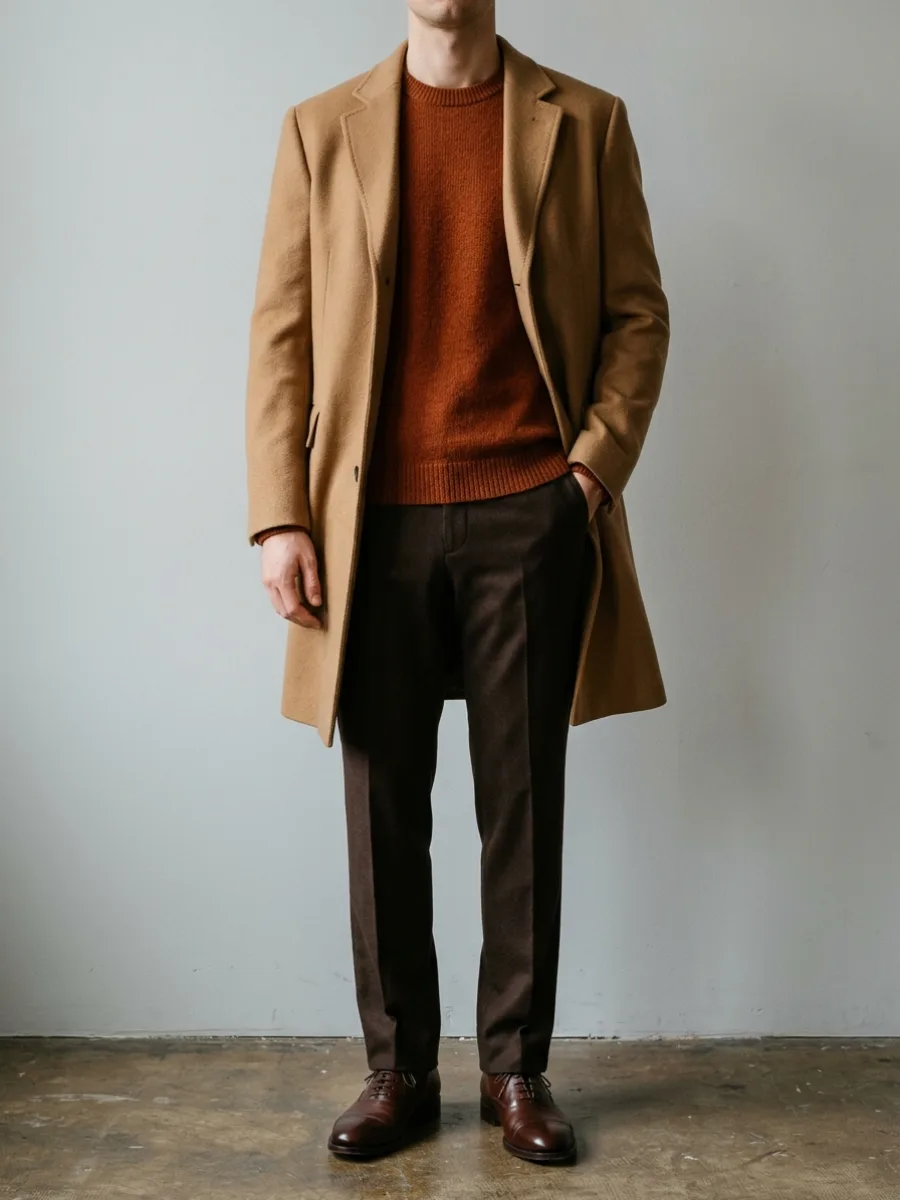
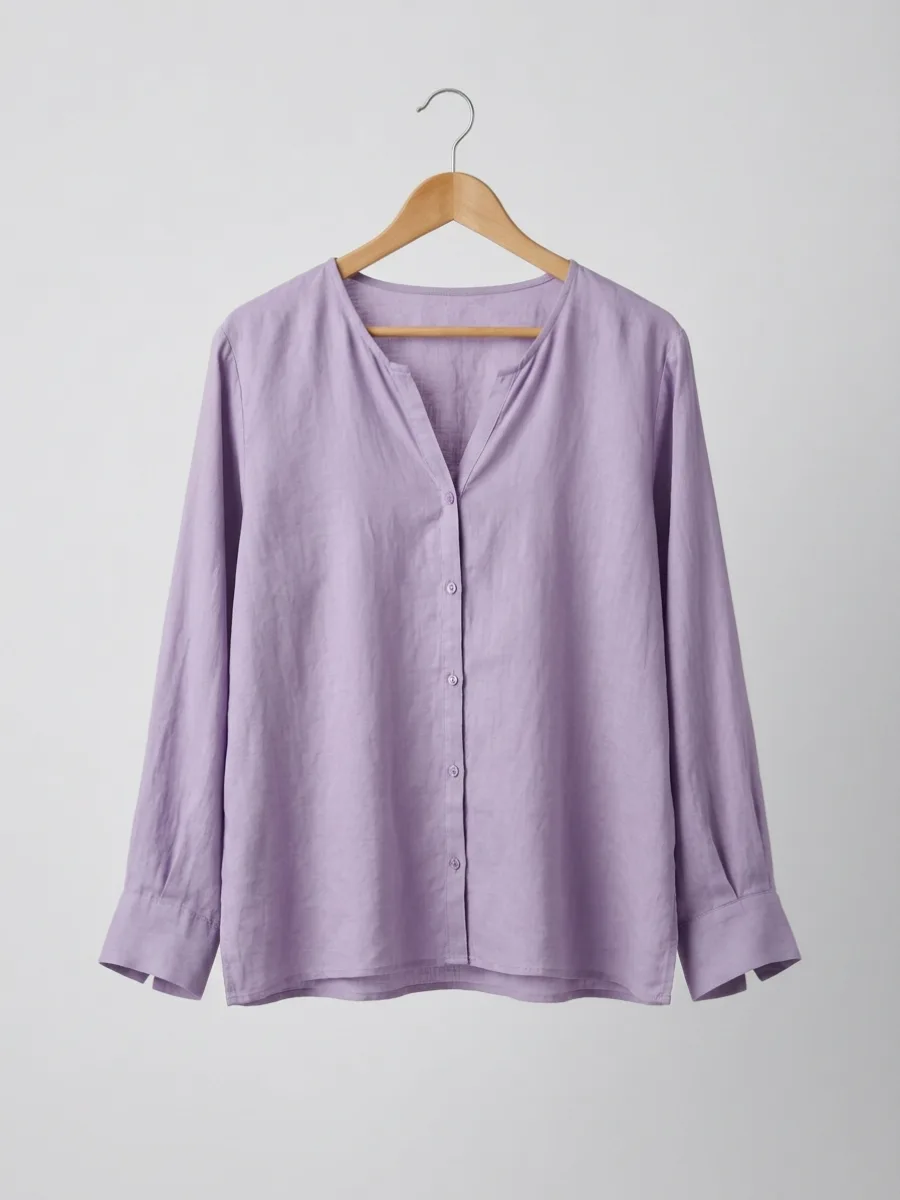
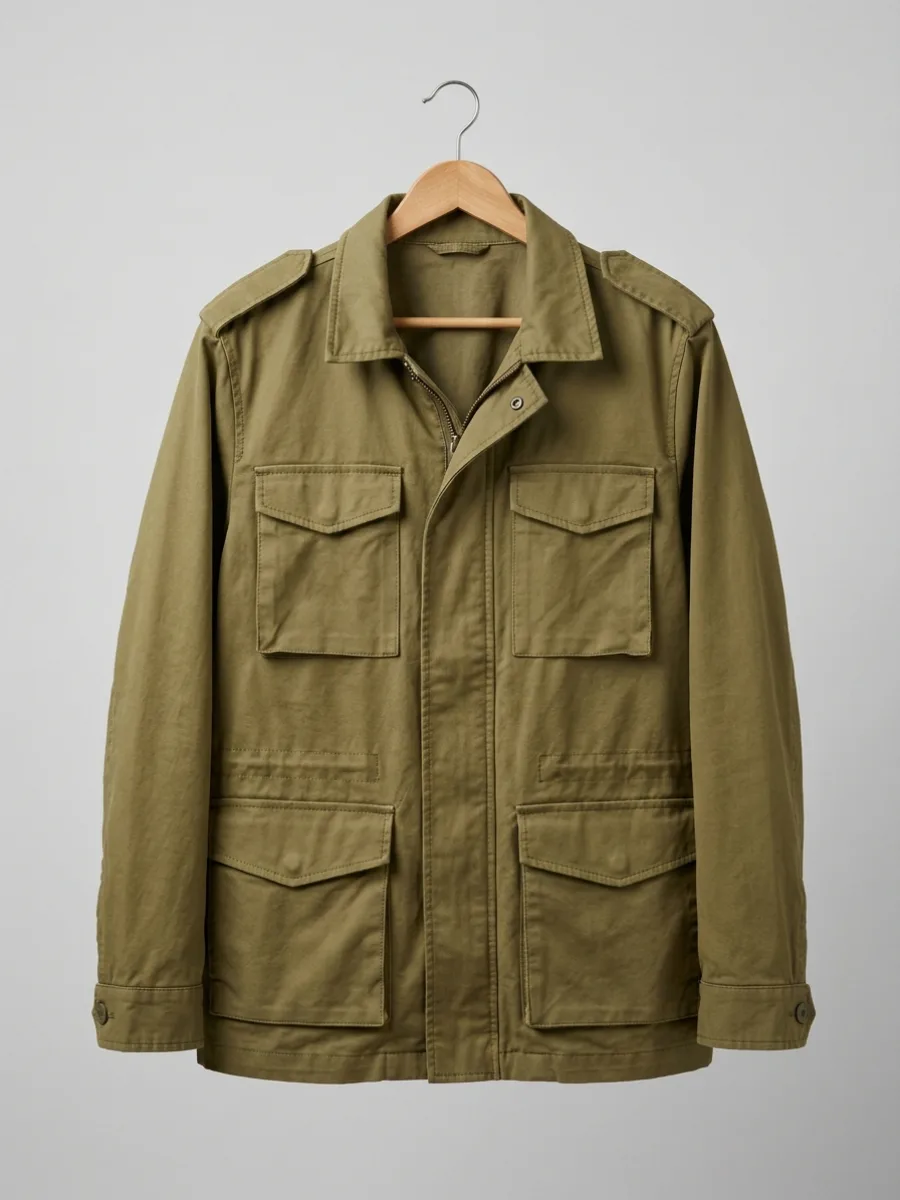
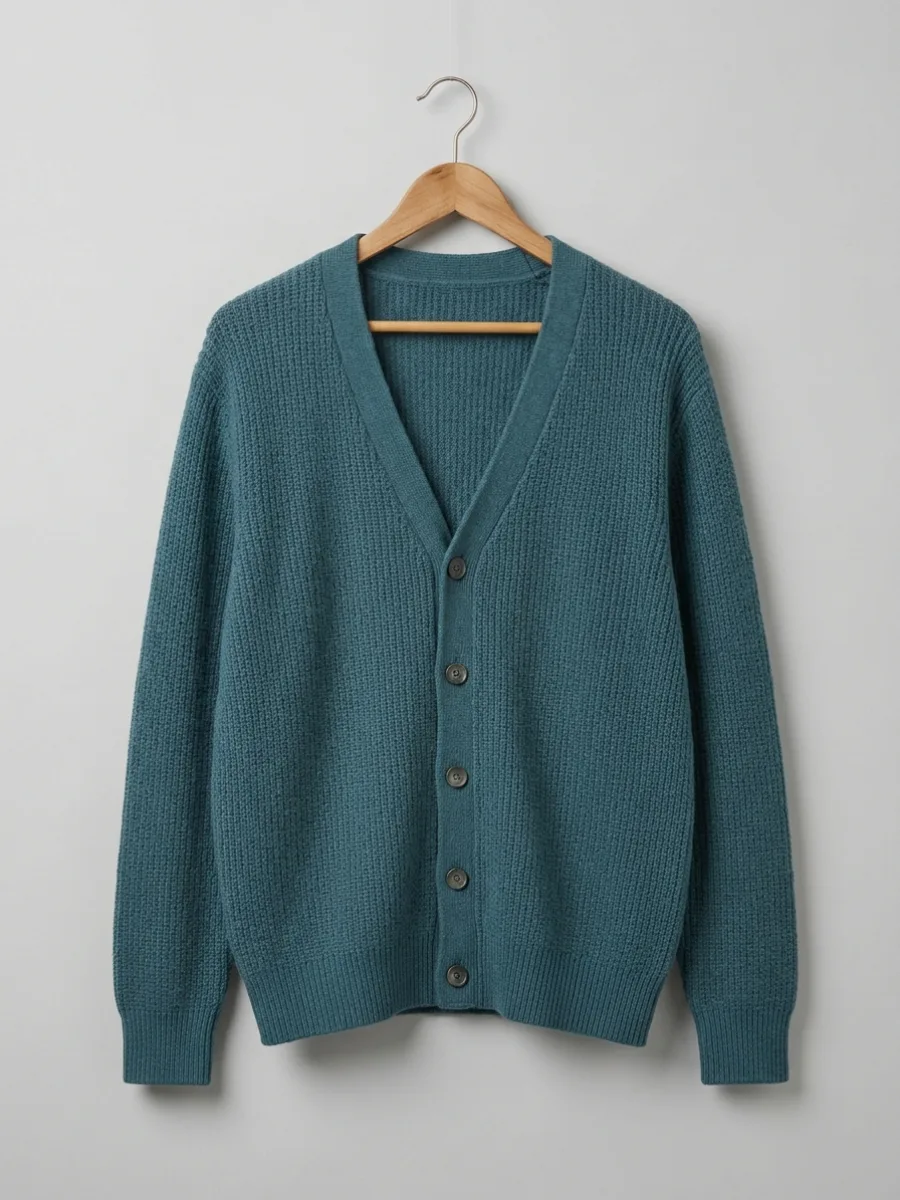
Link copied!
Find your season from one selfie
Wearton finds your color season and your palette from one photo, then marks which of your clothes match it.
Cool Summer FAQ
Is Cool Summer the same as True Summer?
Yes, in the 12-season system Cool Summer and True Summer are two names for one season, and the Wearton app calls it True Summer. Some 16-season systems use the name Cool Summer for a slightly deeper or brighter season between True Summer and Cool Winter, so check which system a guide uses.
Is Cool Summer the same as Soft Summer?
No. Cool Summer and Soft Summer are both summer seasons of medium depth, but Cool Summer is cooler and a little clearer, and Soft Summer is greyer, more muted and a little warmer. Compare a raspberry and a mauve near your face: if the clearer raspberry looks better, Cool Summer is more likely.
Is Cool Summer gold or silver?
Cool Summer is silver-leaning: most guides recommend silver, white gold and platinum, several add pewter, and most call yellow gold harder. Guides differ on rose gold: one says to keep it minimal, another to avoid warm rose gold.
What colors look best on Cool Summer?
Cool, gently muted colors suit the Cool Summer palette: steel blue, cornflower, periwinkle, rose pink, raspberry, wisteria, soft teal and soft plum, with soft white, cool grey, blue grey, pewter, charcoal and soft navy as neutrals. Outfits with medium contrast and silver metals fit the palette.
Can a Cool Summer have dark hair, brown eyes or deep skin?
Yes. Guides we read say deeper skin tones can be Cool Summer, that muted brown eyes are common on deeper complexions, and that hair on darker skin can be medium brown, dark brown or black. Skin depth, hair and eye color alone do not decide a season: compare colors near your face instead.
What is the best hair color for Cool Summer?
Cool or ashy shades close to your natural depth are the easiest: ash blonde, mushroom brown, ash brown, cool dark brown, or a soft silver for greying hair. Guides call brassy golden highlights, caramel, copper and auburn harder, because they are warm.
How do I know if I am a Cool Summer or a Cool Winter?
Cool Summer and Cool Winter are both cool seasons; the difference is softness against clarity and contrast. Compare slate blue with cobalt, and a black-and-white outfit with soft navy and soft white. If the clear, high-contrast versions look striking and natural on you, Cool Winter (True Winter) is more likely. If the softer ones look better, Cool Summer is more likely.
What colors should Cool Summer avoid?
No color is forbidden for Cool Summer, but warm, very bright or very dark colors are harder to wear: pure black, optic white, orange, mustard, camel, rust, olive and tomato red. Charcoal, soft white, watermelon, pale lemon, rose brown, cool burgundy, soft jade and raspberry are the cooler, softer versions.
How we made this palette: the 12-season system describes each season by hue, chroma and value. The 8 key colors are the palette the Wearton selfie analysis uses for this season, which the app calls True Summer and describes as cool, muted, soft and medium. We chose 22 more reference shades to fill out each color family, cool and softened, with soft white and cool pastels as the light accents. These 22, and the hex codes of the colors to avoid, the hair colors and the makeup shades, are our styling examples, not colors that the selfie analysis returns. Hex codes are screen references; check colors on fabric in daylight.